Massage and Touch (Tui-na)
Small Animal Tui-na Techniques for Home Care
Tui-na is a manual therapy that is one of the five branches
of traditional Chinese veterinary medicine (TCVM) and uses Chinese medical
theory as the basis for its application and actions. It was first used in the
16th-11th centuries BC and references to this treatment can be found in the
Huang Di Nei Jing (Yellow Emperors Inner Classic 475-221 BC). From a
conventional medicine perspective, Tui-na can be thought of as corresponding to
a combination of acupressure, conventional massage and chiropractic techniques.
It can be used to regulate the Channels, soothe joints and sinews, promote
circulation of Qi and Blood, strengthen the immune system and promote normal
function of the Zang-fu organs.
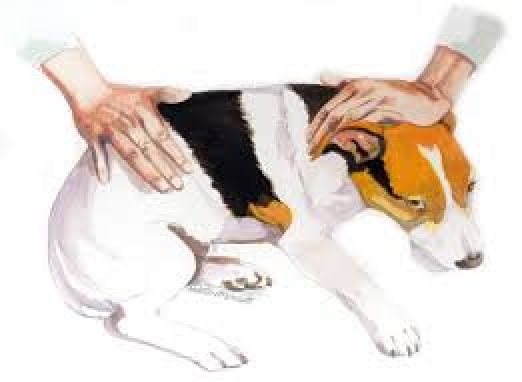
Tui-na is most used
to treat acute and chronic musculoskeletal conditions and is also useful as a
preventative medicine therapy because it promotes balance in the body. Small
and large animals and exotic species respond well to Tui-na treatments and it
can be used for animals that will not allow acupuncture needles to be placed.
It is safe and effective with no known side effects. Although veterinarians
must receive specific training in the techniques and applications of Tui-na,
once mastered several Tui-na techniques can be easily taught to caretakers for
home treatments.
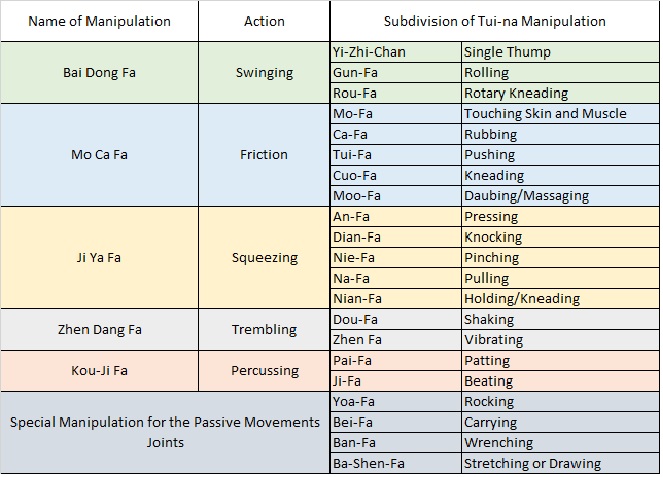
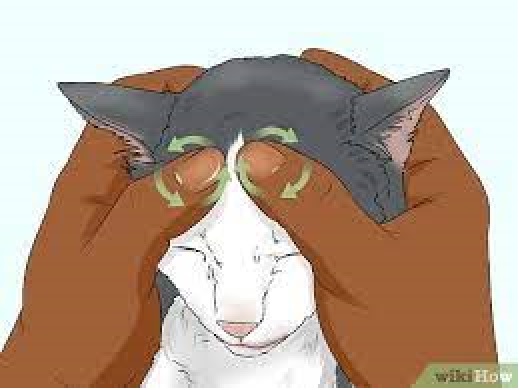
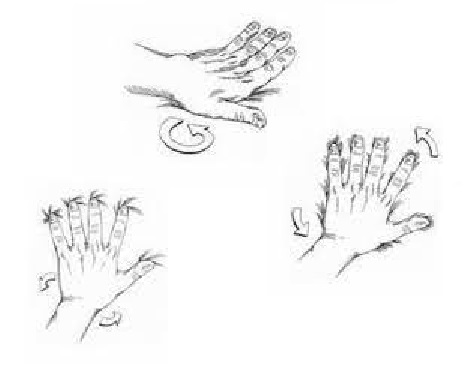
Mo-fa (touching skin and muscle), Rou-fa (rotary kneading),
Ca-fa (rubbing), Tui-fa (pushing), An-fa (pressing), Nie-fa (pinching), Dou-fa
(shaking), Ba-sheng-fa (stretching) and Cuo-fa (kneading) are Tui-na techniques
that caretakers can learn and use to accelerate the healing process and deepen the
connection with their animals.
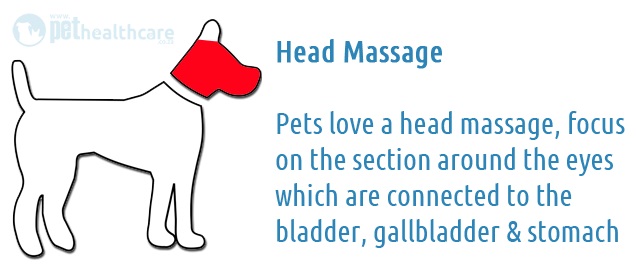
Tui-na has clinically been observed to help promote and
regulate normal circulation of Qi and Blood through the Channels of the body
and restore balance (restore Yin-Yang balance). Tui-na can be used to promote
normal functioning of the internal organs (“balance Zang Fu organs”) and
improve immune function (“strengthen body resistance”). In other sections Tui-na techniques were
recorded as being successful in the treatment of various disorders, including
joint pain (Bi syndrome), muscle weakness and atrophy (Wei syndrome), facial
paralysis and stomach pain. Other chapters of the Huang Di Nei Jing describe
the therapeutic effects of Tui-na that include resolving pain, moving Qi,
invigorating Blood, eliminating Pathogens and dispersing Heat (having the
ability to relieve fever) in specific cases.
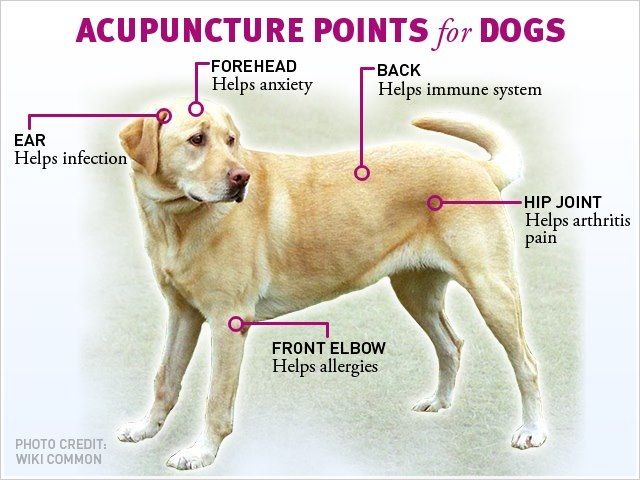
In traditional
Chinese veterinary medicine (TCVM) Tui-na is most used for the treatment of acute
and chronic conditions of the musculoskeletal system. Tui-na treatments can be
useful to align and restore the normal anatomic relationships of the bones,
muscles, tendons and ligaments of the body (“soothe tendons and ligaments”) in
these conditions. Tui-na can also be useful to treat problems of the digestive
and respiratory systems and is well suited for tonification and strengthening
weak, chronically ill, geriatric and paediatric animals. Small and large
animals as well as exotic species can be treated with Tui-na, which is
especially useful for the treatment of fractious animals that will not allow
acupuncture. Many TCVM practitioners combine Tui-na with acupuncture, Chinese
herbal medicine, Food Therapy and an exercise/lifestyle programs for an
enhanced therapeutic effect. Tui-na is a safe and effective therapy with no
known side effects and is contraindicated in pregnant animals, open wounds,
skin injuries, dermatitis, fractures, phlebitis and infectious diseases with
zoonotic and or iatrogenic transmission potential.
TUI-NA TIPS
• Emphasize that all treatments are to begin softly and
slowly. Too much force is to be avoided and treatments should be done with even
pressure.
• Caution should be used in performing Tui-na on geriatric,
weak and debilitated animals that could become further weakened by treatments
that are too vigorous or lengthy in duration. Tui-na treatments can last 10 minutes
to 1 hour.
• Do not give owners too many techniques to do at one time;
in the author’s experience; prescribing only 3-4 different Tui-na techniques
(no more than 30-45 minutes) are met with the best compliance by the average caretaker.
• Give caretakers a Tui-na work sheet and write down all
techniques to be performed and the duration of each; have the owner keep a log
of treatments and review it during recheck examinations.
• Demonstrate to caretakers each Tui-na technique to be
done; then have them show you how they will do it at home.
• It is recommended that treatment be performed every day to
ensure that treatments are done at least 3-5 times per week. Tui-na once daily
is ideal.
• It is beneficial to have the caretaker return in 1 week
and demonstrate to the veterinarian the assigned Tui-na techniques on their pet.
• Tui-na treatments should be performed before acupuncture
needles are placed; it is more effective to massage the area before and after
acupuncture for best results.
• Tui-na techniques may also be supplemented with oral
Chinese herbal medicine and herbal liniments, salves, sprays and patches as
needed.
• It is best to wait 30 minutes following a meal before
performing a Tui-na treatment to allow normal blood flow to the bowel for
proper digestion.
REFERENCES 1.www.acupuncture.com/qigong_tuina/tuinahistory.htm 2. Ni MS. The Yellow Emperors Classic of Medicine. Boston, Massachusetts: Shambala Publications 1995:42-223. 3. Xie H, Ferguson B, Deng X. Application of Tui-na in Veterinary Medicine. Reddick, FL:Chi Institute 2008:1-206 *Reprinted with permission from: Xie H, Ferguson B, Deng X. Application of Tui-na in Veterinary Medicine 2nd. Reddick, FL:Chi Institute 2008:7. Signe Beebe DVM Integrative Veterinary Center, Sacramento CA 4. Google images